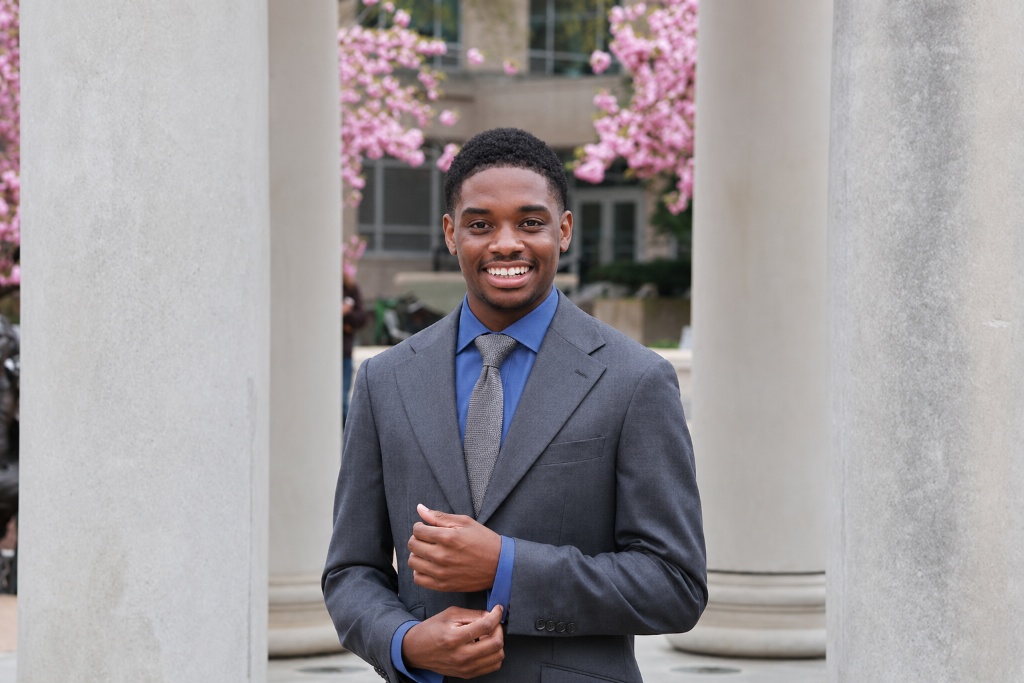
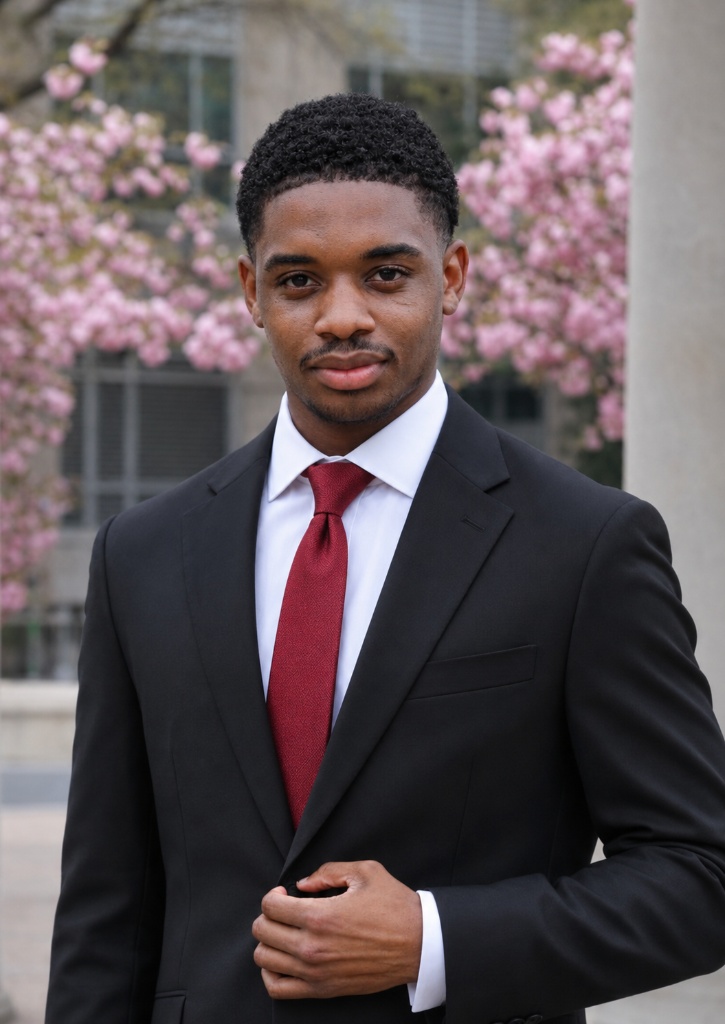
Alfred Lewis Jr.
International Vice President of Media Relations & External Affairs
Phi Psi Lambda Leadership Society, Inc.
A steady voice guiding the conversation from truth toward the harder, more hopeful work of restoration and rebuilding.
A PSIrenity Feature Story | November 11, 2025
The Work After Survival
On November 11, 2025, PSIrenity reconvened its audience for a powerful continuation of the War on Black Men conversation. Part Two moved beyond naming the pain to focus on restoration, emotional healing, accountability, brotherhood, and rebuilding trust within the Black community.
Opening Scene
On November 11, 2025, PSIrenity, the national mental health and wellness initiative of Phi Psi Lambda Leadership Society, Inc., reconvened its audience for “War on Black Men Part 2: Healing. Brotherhood. Rebuilding.”
One week earlier, the Society had named the battlefield: violence, educational barriers, mental strain, and the disappearing leadership pipeline confronting Black men and boys. Part Two asked the harder question that comes after truth: what does restoration require?
The Hosts
Hosted by Alfred Lewis Jr. and Joel Lewis, the webinar moved with the weight of a community conversation and the clarity of an action plan. Together, they guided the audience through a necessary transition: from truth to healing, from survival to rebuilding, from pain to purpose.
International Vice President of Media Relations & External Affairs
Phi Psi Lambda Leadership Society, Inc.
A steady voice guiding the conversation from truth toward the harder, more hopeful work of restoration and rebuilding.
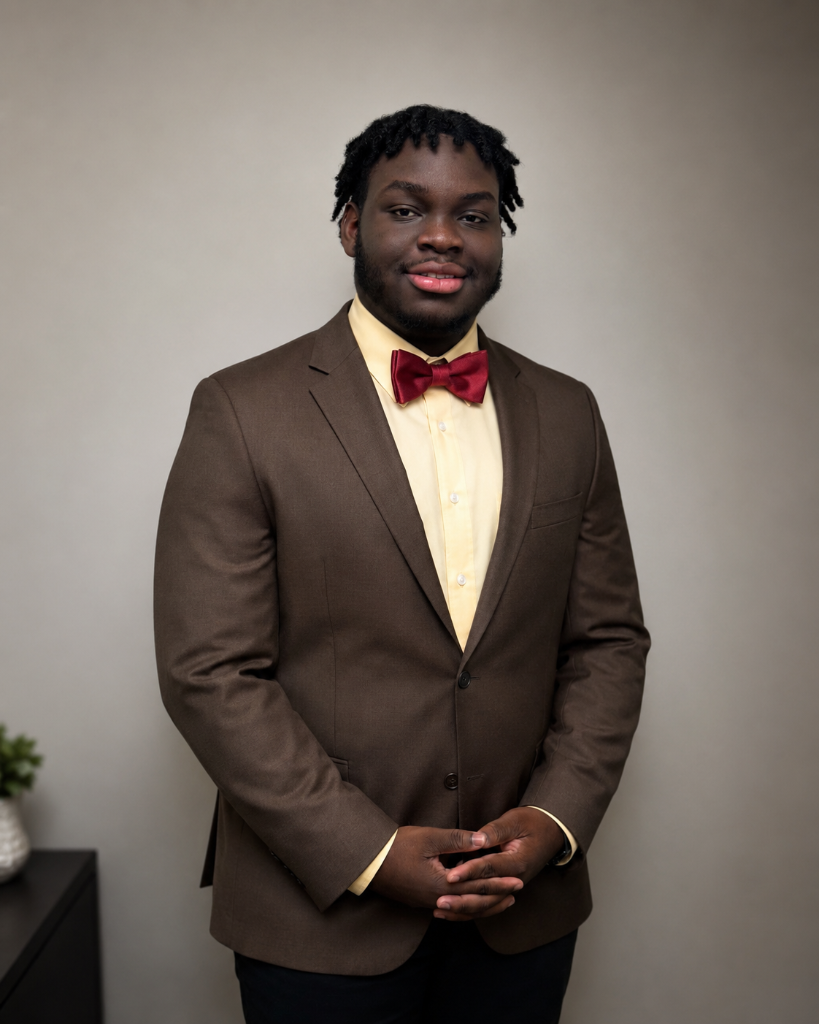
National Vice President of Community & Public Relations
Phi Psi Lambda Leadership Society, Inc.
Anchoring the night in purpose — reminding the room that this work is about our communities, our brotherhood, and our peace.
Tonight was about rebuilding our communities, our brotherhood, and our peace.
— Joel Lewis
The Panelists
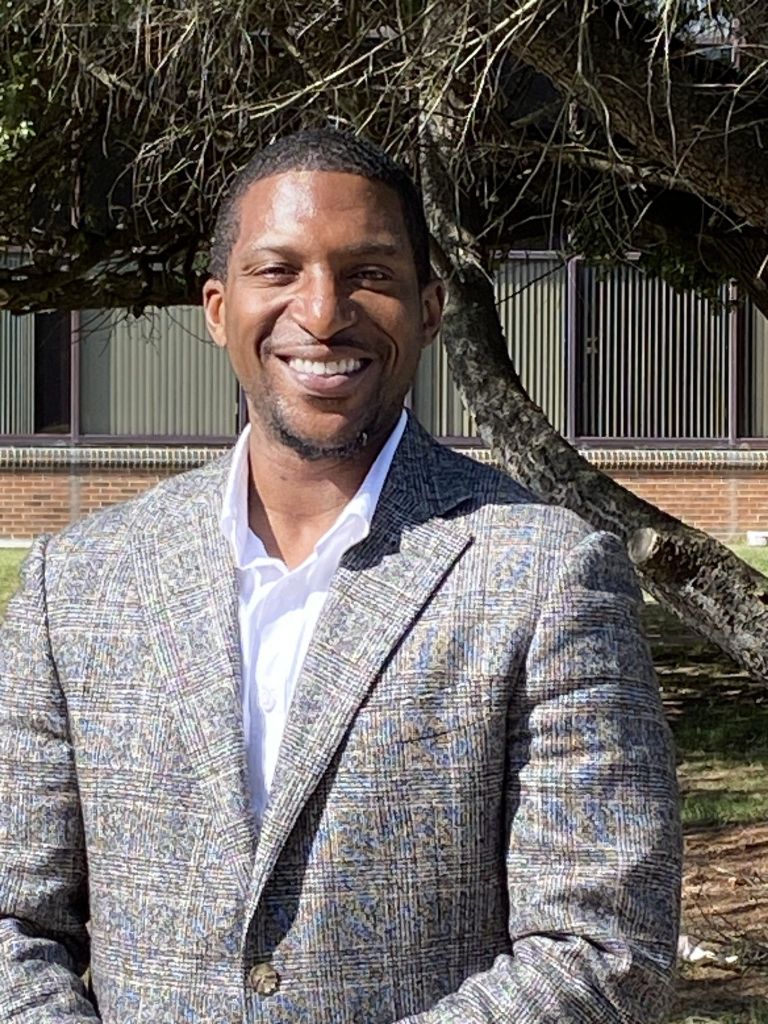
Assistant Professor of Psychology
Hampton University
Dr. Lloyd M. Talley brought the architecture of developmental psychology, Black male identity, resilience, and flourishing into the room.
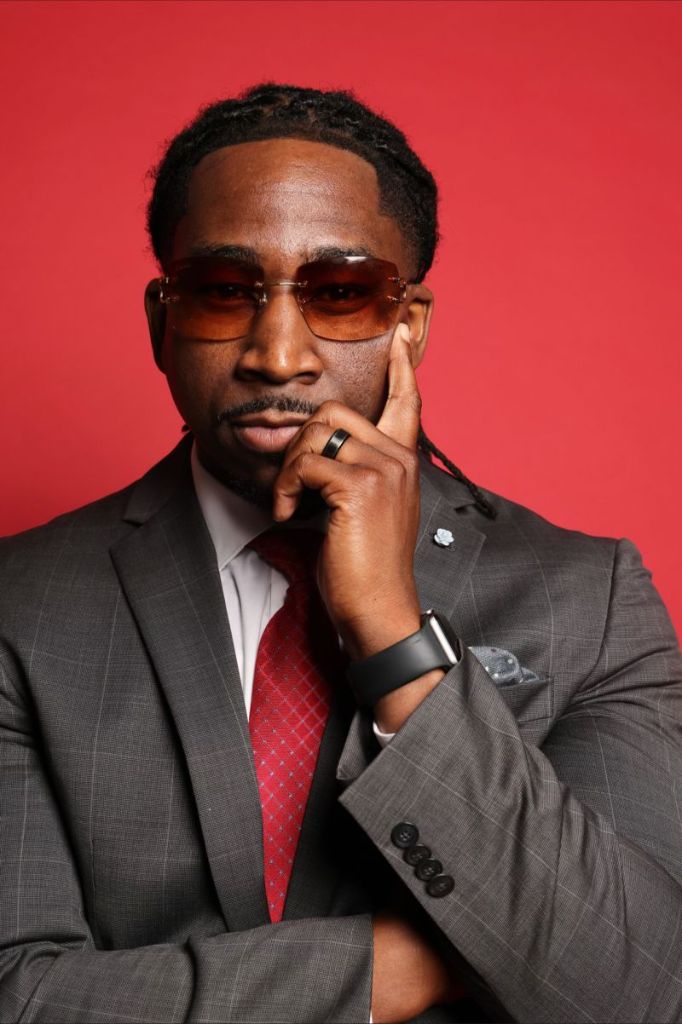
Board-Certified Family Medicine Physician
Founder & Executive Director, Maven Community Health, Inc.
Dr. Victor N. Ukwu brought the voice of medicine, public health, and community-rooted wellness.
Chapter One
“The first step in any healing process is self-reflection.”
— Dr. Lloyd M. Talley
The first answer of the night was not policy. It was not fundraising. It was not even community programming. It was self-reflection. The restoration of Black men begins with a willingness to examine the wounds, choices, coping strategies, silences, and emotional inheritance that shape a man’s life.
Chapter Two
Healing is not a caption, a trend, or a one-time moment of visibility. Healing is a practice. It requires training, consistency, endurance, emotional honesty, and humility.
“Recovery is active. Recovery is a present thing.”
— Dr. Victor N. Ukwu
“Knowledge of self is the highest form of knowledge.”
— Dr. Lloyd M. Talley
Chapter Three
Emotional literacy is leadership.
Vulnerability is not weakness. Black men are not invincible by design; they are human beings navigating environments that often require armor. The leader who can say, “I am not okay,” before he breaks is not weak. He is disciplined. The brother who can hear another man say the same and remain present is not soft. He is sacred infrastructure.
“We are ashamed of our human beingness as men.”
— Dr. Lloyd M. Talley
“How do we normalize emotional literacy?”
— Dr. Victor N. Ukwu
Chapter Four
Brotherhood is not ornamental. It is structure, consistency, modeling, correction, care, skill development, and a safe place where Black men can aspire and fail without humiliation. Brotherhood is not a word worn on a jacket. It is a discipline practiced when no camera is on.
“Brotherhood provides the structure for you to both aspire and fail.”
— Dr. Lloyd M. Talley
Chapter Five
Rebuilding requires systems, coordination, mentorship, curriculum, youth development, and intentional pipelines that begin before emergency. Mentorship must restore the pipeline by exposing young men to possibility before the world teaches them to narrow their dreams.
“We have the technology. The question is: what is our barrier from coming together?”
— Dr. Lloyd M. Talley
Chapter Six
Healing is necessary, but it is not the end point. Black men must be invited not only to recover, but to dream, build, lead, and thrive.
“The trauma didn’t go away, but I’m not dwelling in the disorder. I’m dwelling in the capacity for growth.”
— Dr. Lloyd M. Talley
Purpose. Healing. Brotherhood. Leadership.
In Their Words
“Tonight was about rebuilding our communities, our brotherhood, and our peace.”
— Joel Lewis
“The first step in any healing process is self-reflection.”
— Dr. Lloyd M. Talley
“Recovery is active. Recovery is a present thing.”
— Dr. Victor N. Ukwu
“Knowledge of self is the highest form of knowledge.”
— Dr. Lloyd M. Talley
“How do we normalize emotional literacy?”
— Dr. Victor N. Ukwu
“Brotherhood provides the structure for you to both aspire and fail.”
— Dr. Lloyd M. Talley
“We have the technology. The question is: what is our barrier from coming together?”
— Dr. Lloyd M. Talley
“The trauma didn’t go away, but I’m not dwelling in the disorder. I’m dwelling in the capacity for growth.”
— Dr. Lloyd M. Talley
Purpose. Healing. Brotherhood. Leadership.
The Feature Article
The Work After Survival — Inside PSIrenity’s “War on Black Men Part 2: Healing. Brotherhood. Rebuilding.” | Phi Psi Lambda Leadership Society, Inc. | November 11, 2025
The second night did not arrive as a sequel. It arrived as a decision. On November 11, 2025, PSIrenity reconvened its audience for “War on Black Men Part 2.” One week earlier, the Society had named the battlefield: violence, educational barriers, mental strain, and the disappearing leadership pipeline. Part Two asked the harder question that comes after truth: what does restoration require?
The first answer of the night was not policy. It was not fundraising. It was not even community programming. It was self-reflection. As Dr. Lloyd M. Talley reminded the room, “The first step in any healing process is self-reflection.” Restoration begins with a willingness to examine the wounds, choices, coping strategies, and silences that shape a man’s life.
Healing is not a caption, a trend, or a one-time moment of visibility. Healing is a practice — it requires training, consistency, endurance, emotional honesty, and humility. “Recovery is active. Recovery is a present thing,” said Dr. Victor N. Ukwu. And as Dr. Talley added, “Knowledge of self is the highest form of knowledge.”
Vulnerability is not weakness; emotional literacy is leadership. “We are ashamed of our human beingness as men,” Dr. Talley observed, while Dr. Ukwu pressed the room: “How do we normalize emotional literacy?” The leader who can say “I am not okay” before he breaks is not weak — he is disciplined. The brother who can remain present is sacred infrastructure.
Brotherhood is not ornamental. It is structure, consistency, modeling, correction, care, and skill development — a safe place where Black men can aspire and fail without humiliation. “Brotherhood provides the structure for you to both aspire and fail,” said Dr. Talley. It is not a word worn on a jacket; it is a discipline practiced when no camera is on.
Rebuilding requires systems, coordination, mentorship, curriculum, and intentional pipelines that begin before emergency. “We have the technology. The question is: what is our barrier from coming together?” asked Dr. Talley. Mentorship must expose young men to possibility before the world teaches them to narrow their dreams.
Healing is necessary, but it is not the end point. Black men must be invited not only to recover, but to dream, build, lead, and thrive. “The trauma didn’t go away, but I’m not dwelling in the disorder. I’m dwelling in the capacity for growth,” Dr. Talley said. Purpose. Healing. Brotherhood. Leadership.
One webinar cannot end the war. But it can gather the builders. It can name the tools. It can remind a young Black man that asking for help is not surrender, that brotherhood can be a guardrail, that thriving can be sacred, and that the future has not vanished when a community still has the courage to rebuild it.
One webinar cannot end the war. But it can gather the builders. It can name the tools. It can remind a young Black man that asking for help is not surrender, that brotherhood can be a guardrail, that thriving can be sacred, and that the future has not vanished when a community still has the courage to rebuild it.
Purpose. Healing. Brotherhood. Leadership.